
It’s a question that comes up more often than you might imagine. Picture the scenario; a landlord contacts a few electricians to arrange an EICR (Electrical Installation Condition Report) on a rental property, and some of them aren’t registered with a scheme like NICEIC or NAPIT. They seem qualified, they’re VAT registered, well recommended. So does it matter?
The honest answer is yes, and here’s why.
What the Law Actually Says About EICRs for Rental Properties
Under the Private Rented Sector (PRS) Electrical Safety Regulations, landlords in England are legally required to have the electrical installations in their rental properties inspected and tested at least every five years, and to hold a valid EICR as evidence.
That inspection must be carried out by a business or individual registered to the ‘Competent Person (Electrical) Register’, which is only achieved by holding the right qualifications, experience, and equipment to do the job properly, including the 2391 Inspection and Testing qualification and properly calibrated test equipment.
Working with a NICEIC-registered contractor gives you something unregistered electricians simply can’t provide; an independently verified paper trail.
Given that local councils are increasingly scrutinising landlord compliance and can issue fines of up to £30,000 for non-compliance, that paper trail matters.
What Is Part P, and Why Should You As A Landlord Care?
Part P of the Building Regulations is another area where scheme registration really counts. It requires that certain types of electrical work in domestic properties must be formally notified to Building Control. This includes:
- rewiring
- work in ‘special locations’ such as bathrooms and shower rooms
- installing new circuits
- replacing a consumer unit (fuse board)
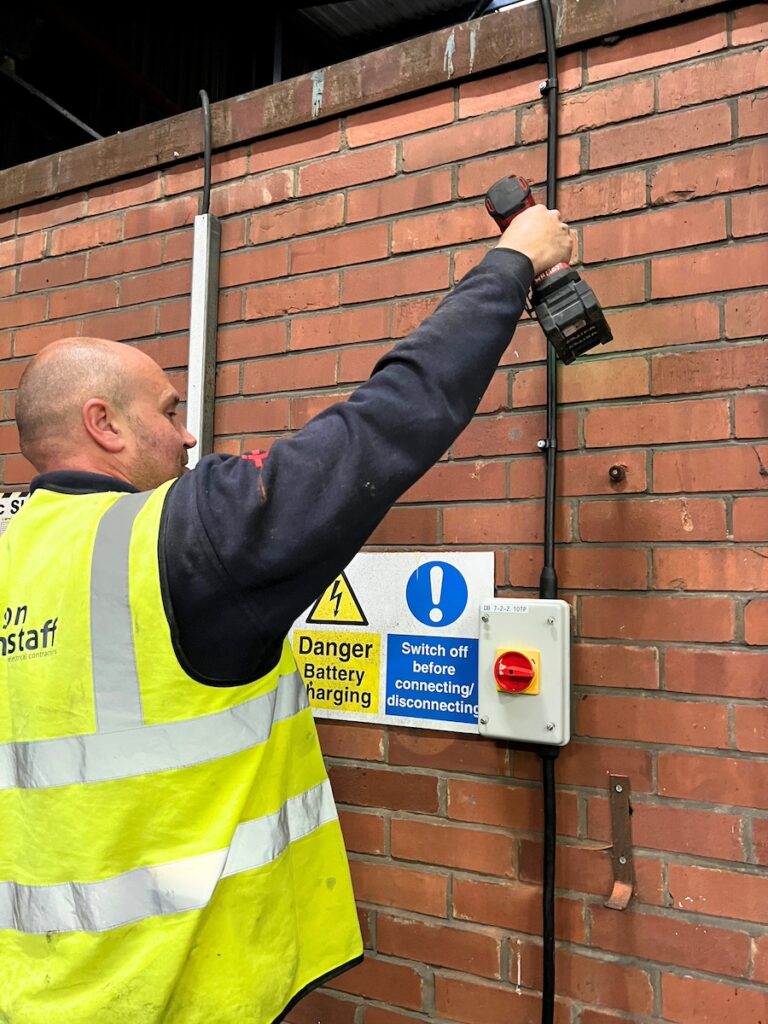
To notify this work to Building Control without the homeowner or landlord having to arrange (and pay for) a separate inspection, the electrician must be registered with an approved scheme (either NICEIC or NAPIT).
Without that registration, the work may be perfectly sound, but it cannot be self-certified, and that can create real compliance headaches when it comes to selling a property, remortgaging, or satisfying a mortgage lender. For landlords managing multiple properties, it’s a risk that simply isn’t worth taking.
Rule 101: Don’t Cut Corners on Safety
And just to reiterate, an EICR is one of the most important documents a landlord can hold. It gives you, the Landlord, a clear picture of the condition of your electrical installation, identifying anything unsafe, non-compliant, or deteriorating before it becomes a danger to your tenants or a liability to you.
Don’t cut corners by just getting the cheapest or nearest electrician in to do the job. As mentioned before, for a report worth its print, you need someone with the right qualifications, calibrated equipment, and the knowledge to interpret results correctly. Hence the NICEIC registered contractor, who is independently verified to meet all of those requirements.
Why Choose Tomlinson Longstaff?
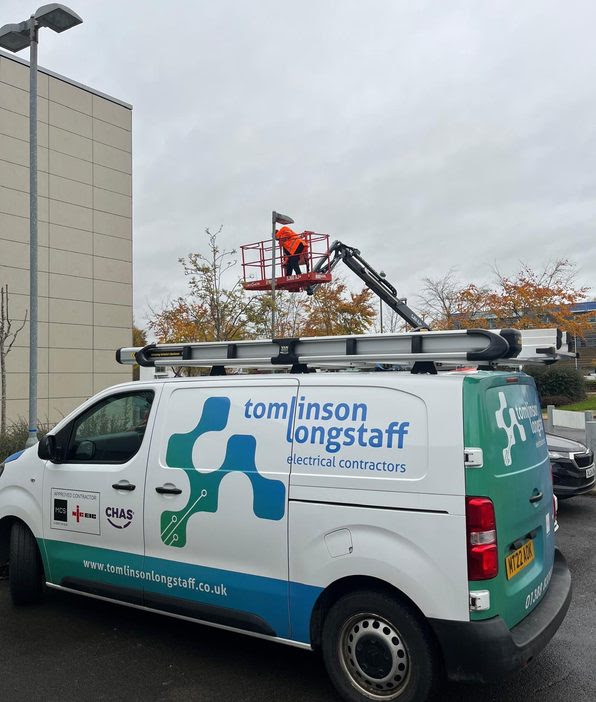
Tomlinson Longstaff has been NICEIC registered since 1975, that’s 50 years of independently verified electrical expertise. We carry out EICRs for landlords, letting agents, and property managers across the Northeast of England, and we understand the compliance pressures that come with managing rental properties.
When we carry out an EICR, you get a thorough, properly documented report from a fully qualified, scheme-registered contractor. No shortcuts, no uncertainty, just the peace of mind that comes with half a century of doing things right.
Need an EICR for a rental property, or advice on Part P compliance? Give us a call on 01388 833836 or email info@tomlinsonlongstaff.co.uk and a member of our team will be happy to help.
Tomlinson Longstaff Ltd is an electrical contractor based in Country Durham, north east England. We offer a wide range of electrical services including design, testing, installation and maintenance.