
With northeast autumnal grey skies, and perhaps a roof that doesn’t face south, or trees that cast shade across your property, you might assume solar panels aren’t worth considering. But before you rule them out, there are a few things worth knowing.
When people think about solar panels, they often picture rows of panels basking in glorious sunshine on a perfectly positioned, south-facing roof, and, of course, those are great conditions for generating solar electricity, but here in the Northeast, we’re rather more familiar with cloudy skies, unpredictable weather and buildings that weren’t necessarily designed with solar panels in mind.
The good news is that less than perfect conditions don’t automatically rule out solar PV, whether you’re considering an installation for your home, business premises or industrial facility.
One of the biggest misconceptions about solar PV is that it only works when the sun is shining brightly. In fact, solar panels generate electricity from light, not heat, so they can continue producing electricity on any seasonal cloudy day, even throughout autumn and winter, although shorter daylight hours and reduced sunlight mean they’ll generally generate less electricity than during the summer months.
This is one of the reasons why solar installations are assessed on their expected annual electricity generation, rather than how much they might produce on a particular day.
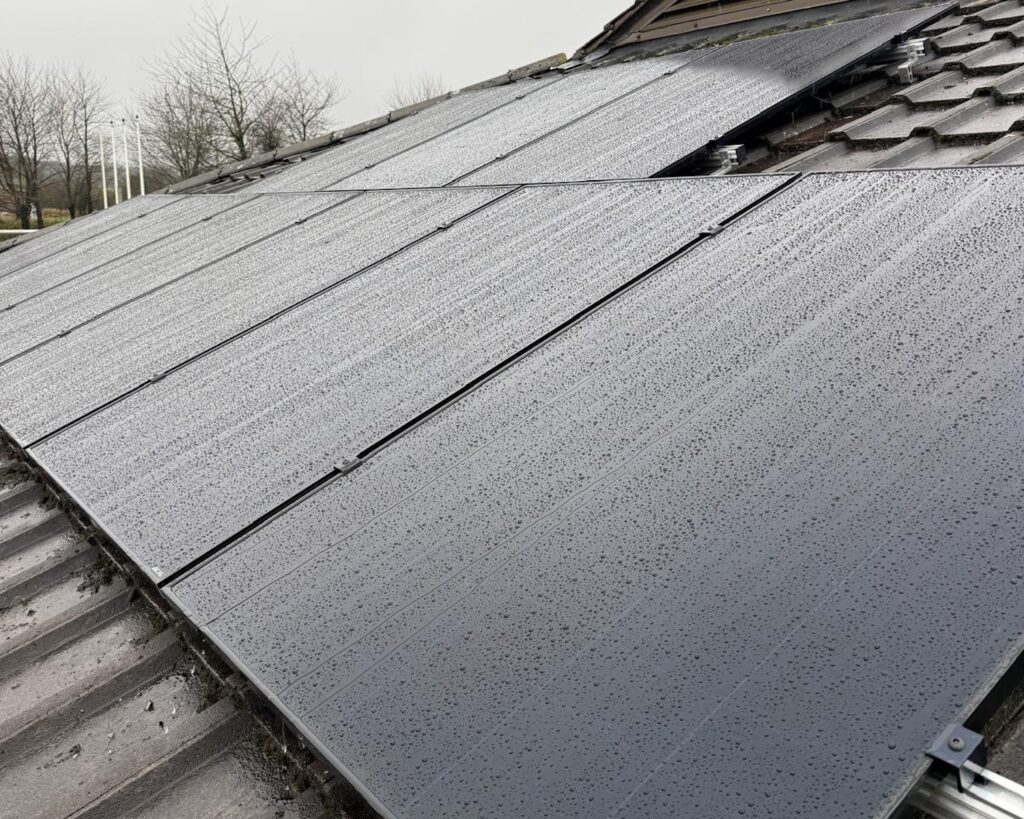
So, what if your roof doesn’t face south?
A south facing roof is generally ideal for maximising solar electricity generation in the UK, but east and west facing roofs can also be suitable, with east facing panels typically generate more electricity in the morning, while west facing panels produce more later in the day.
For businesses, this can be particularly interesting. A commercial property with significant morning electricity demand, for example, may be able to make good use of electricity generated by an east facing installation. Equally, a business operating later into the afternoon might benefit from west facing panels.
North facing pitched roofs are generally much less suitable, as they receive considerably less direct sunlight, however, that doesn’t necessarily rule out the entire property, as alternative roof sections, flat roofs where panels can be mounted at a suitable angle, or even ground-mounted systems may provide other options depending on the site.

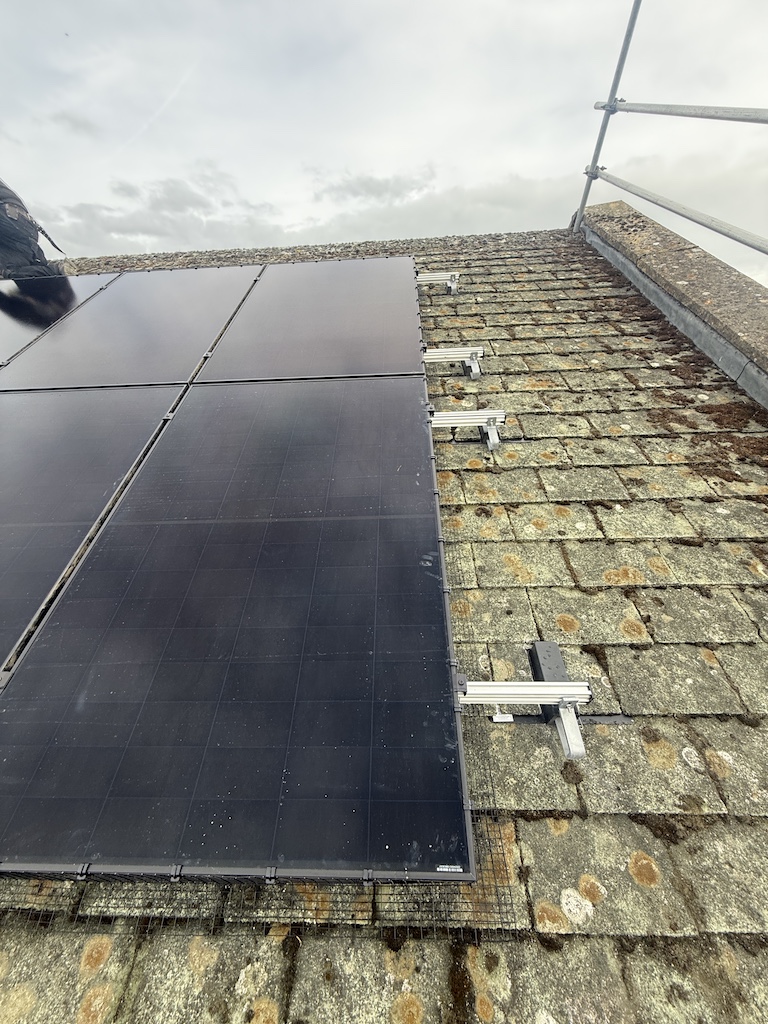
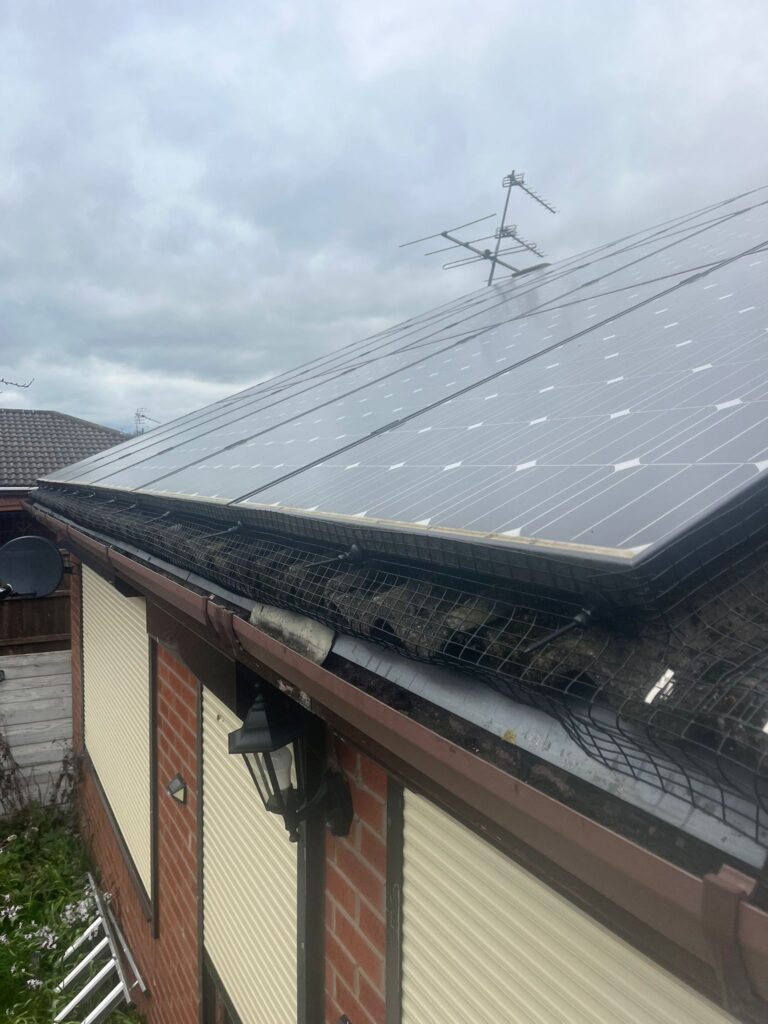
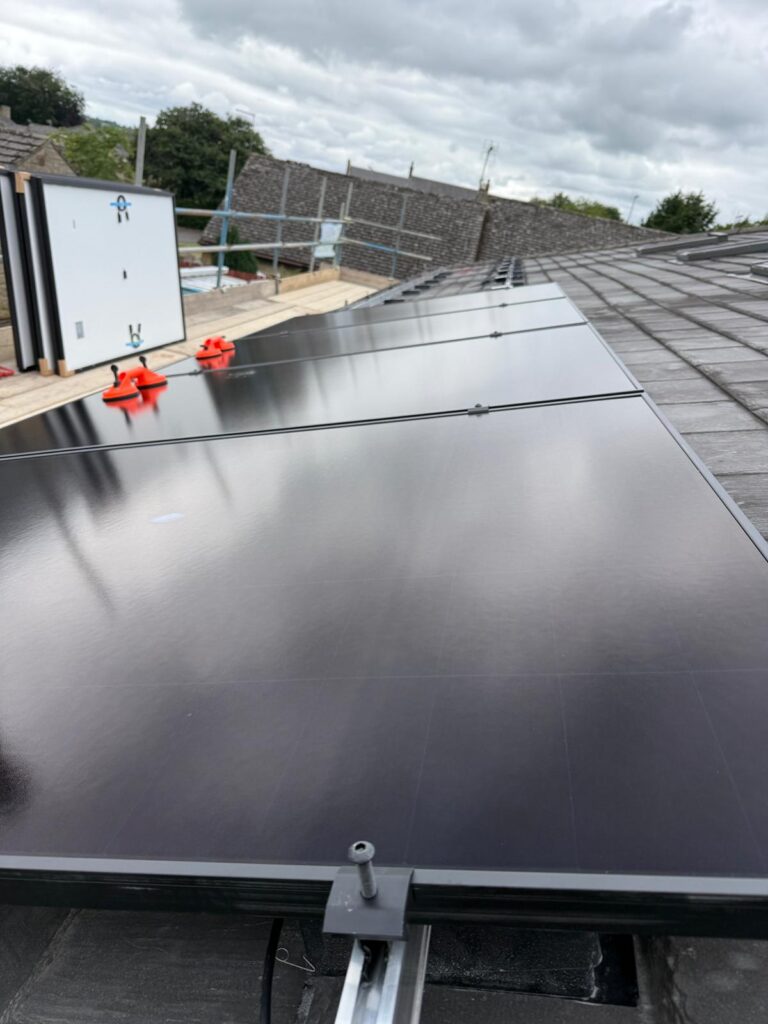
And what about trees, shade and neighbouring buildings?
Shading can have a significant impact on solar panel performance, particularly where trees, chimneys, nearby buildings or rooftop equipment block sunlight during parts of the day. And it’s not just about where the shadows fall in summer, consideration also has to be given to the position of the sun sits during the winter, as it sits lower in the sky so shading can change considerably throughout the year.
Modern technology, including power optimisers and microinverters, can help manage some of the effects of partial shading by allowing panels to operate more independently, however, these technologies can’t replace sunlight that’s being blocked, and heavily shaded locations may simply not be suitable, which is why a proper assessment of the property, and its surroundings, is so important.
For commercial and industrial solar it’s about more than only the roof
For commercial and industrial premises, the suitability of solar PV isn’t determined by roof direction alone. Warehouses, factories, workshops and offices often use significant amounts of electricity during daylight hours, potentially allowing businesses to use a substantial proportion of the electricity they generate, but every site is different.
A commercial solar assessment should consider the available roof or ground space, structural suitability, shading, expected electricity generation and the business’s actual energy consumption, alongside installation costs, grid connection requirements and potential return on investment (ROI). A roof that isn’t perfectly positioned may still offer a worthwhile opportunity, while a seemingly ideal roof might present other practical challenges.
Don’t rule it out before you’ve explored the possibilities
At Tomlinson Longstaff, we believe the starting point for any solar PV project should be understanding the property, how electricity is used and what a suitable installation could realistically achieve. Not every building will be right for solar, and we’d never suggest otherwise, but if you’ve dismissed the idea because of cloudy weather, surrounding trees or a roof that doesn’t face south, it may be worth taking another look.
You don’t need perfect conditions for solar PV, you need the right assessment and a system designed for the conditions you’ve got.
We provide solar PV installation and storage battery services, including optimisers and inverters that enhance the efficiency and suitability of an installation, for domestic, commercial and industrial customers across the Northeast. If you’re considering solar for your home or business, get in touch with our team to discuss the possibilities.
Find out more about our renewable technology services.
Tomlinson Longstaff Ltd is an electrical contractor based in Country Durham, north east England. We offer a wide range of electrical services including design, testing, installation and maintenance.